A Studio Born from Ambition
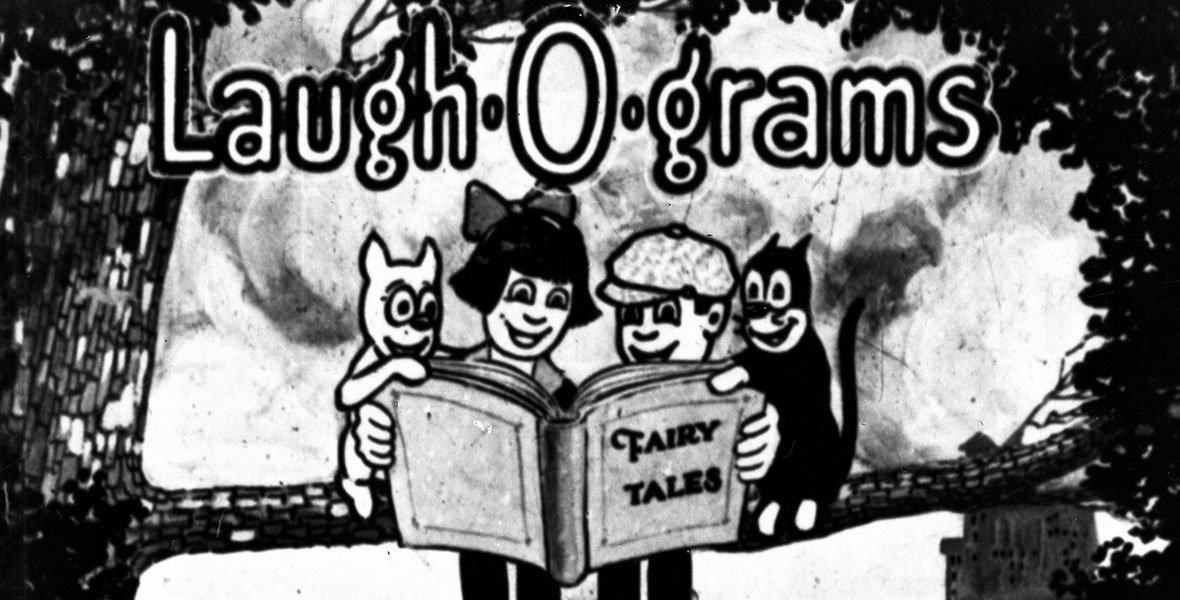
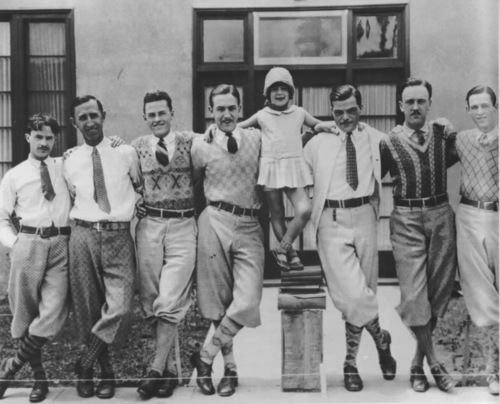
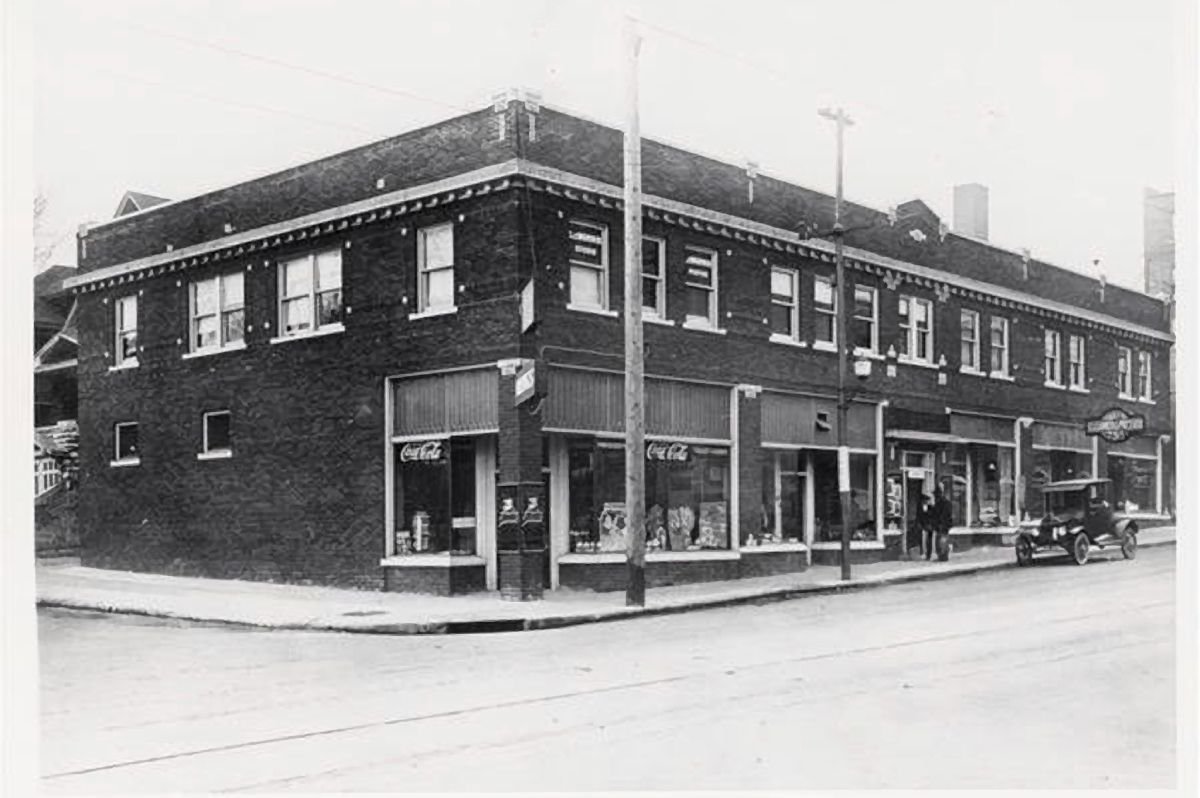
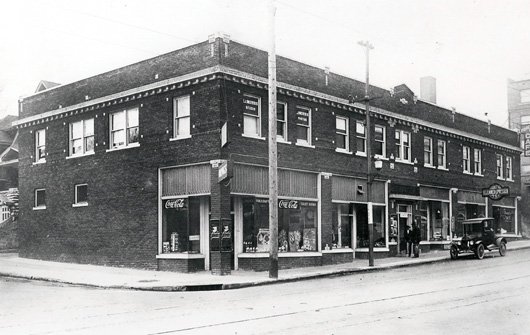
In the summer of 1921, on June twenty-eighth to be precise, a young visionary named Walter Elias Disney established what would become a legendary chapter in animation history. The Laugh-O-Gram Studio, sometimes referred to as Laugh-O-Gram Films, opened its doors on the second floor of the McConahay Building in Kansas City, Missouri. This independent animation house would serve as the crucible where Disney and his talented associates—including the remarkable Ub Iwerks, along with Hugh Harman, Rudolf Ising, and Friz Freleng—would forge the techniques and artistic vision that would revolutionize animated entertainment.
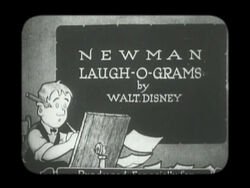
The studio's primary mission centered on producing a commissioned series of animated theatrical shorts known as Newman's Laugh-O-Grams. The warm reception these films received among local audiences emboldened Disney to expand his creative horizons. He embarked upon an ambitious project to reimagine classic fairy tales through a contemporary lens, beginning with his interpretation of Little Red Riding Hood.
Fortune appeared to smile upon the fledgling studio when Pictorial Clubs, Inc., a Tennessee-based distributor, contracted for a series of six animated shorts. However, this promising arrangement soon revealed itself as a harbinger of financial catastrophe. The distributor provided only a modest advance payment before succumbing to insolvency, leaving the studio in dire financial straits.
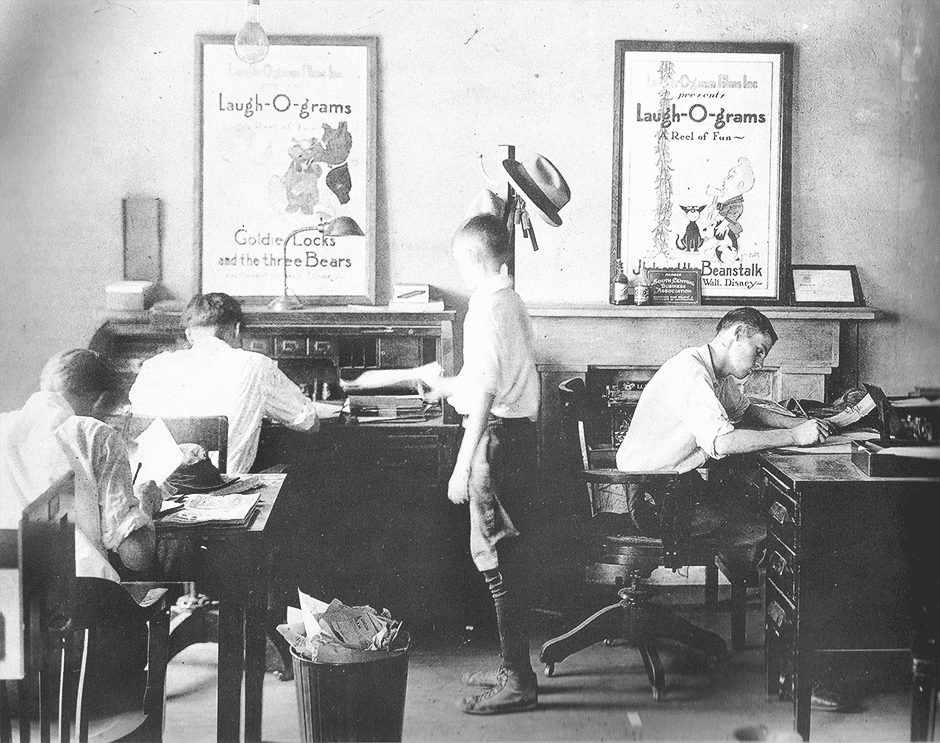
The Chronicle of Perseverance
The Beginning
Milton Feld commissioned Disney to produce twelve animated cartoons under the Newman's Laugh-O-Grams banner. By May 23, 1922, the twenty-year-old Disney formally incorporated Laugh-O-Gram Films, utilizing remnants from his previous venture, the Iwerks-Disney Commercial Artists firm, along with capital from local benefactors. Though nine of the commissioned films were completed, they generated minimal revenue.
Trials and Tribulations
The collapse of the Pictorial Clubs contract devastated the studio's finances. Disney found himself in such reduced circumstances that he converted the office into his living quarters, taking his weekly ablutions at Union Station. His dedicated team—pioneers who would later become legends in their own right—labored tirelessly despite the mounting difficulties.
Sales manager Leslie Mace ventured to New York seeking distribution opportunities, ultimately securing a contract with Pictorial Clubs on September 16, 1922. The agreement promised $11,000 for six shorts intended for educational venues, yet only $100 materialized upfront. The balance was to be remitted after all films were delivered by January 1, 1924—a payment that would never arrive due to Pictorial's bankruptcy.
A Final Gambit
When local dentist Thomas B. McCrum from the Deener Dental Institute approached Disney with an opportunity to create an educational short about dental hygiene for Missouri schools, it proved to be a lifeline. The resulting film, Tommy Tucker's Tooth, earned the studio $500—funds that Disney, rather than satisfying his creditors, daringly invested in a revolutionary concept.
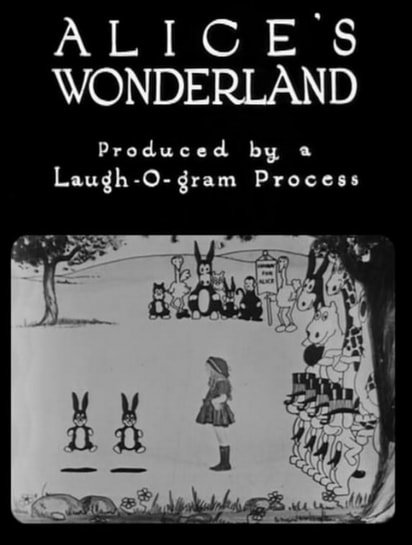
Alice's Wonderland represented Disney's audacious gambit: a hybrid production combining live-action footage with animated sequences. Inspired by the Fleischer Studios' popular Out of the Inkwell series, which featured animated characters in the real world, Disney inverted the concept, placing a living performer—young Virginia Davis—within a cartoon realm. Her parents signed her contract on April 23, 1923, securing five percent of the film's proceeds.
Dissolution and Departure
Following completion of preliminary edits for Alice's Wonderland, the studio filed for bankruptcy protection under Chapter 11 in July 1923. Disney managed to secure modest funds by filming six-month-old Kathalee Viley and liquidating his precious movie camera. With enough for a one-way railway ticket, he departed for Hollywood, California, carrying with him an unfinished reel of Alice's Wonderland and an indomitable spirit.
On May 14, Disney had written to Margaret Winkler, a New York film distributor, regarding distribution of Alice's Wonderland. This correspondence would prove fortuitous, as Winkler ultimately agreed to distribute the film, leading to the creation of the Alice Comedies series and the establishment of the Disney Brothers Cartoon Studio—the direct ancestor of The Walt Disney Company.
The Genesis of an Icon
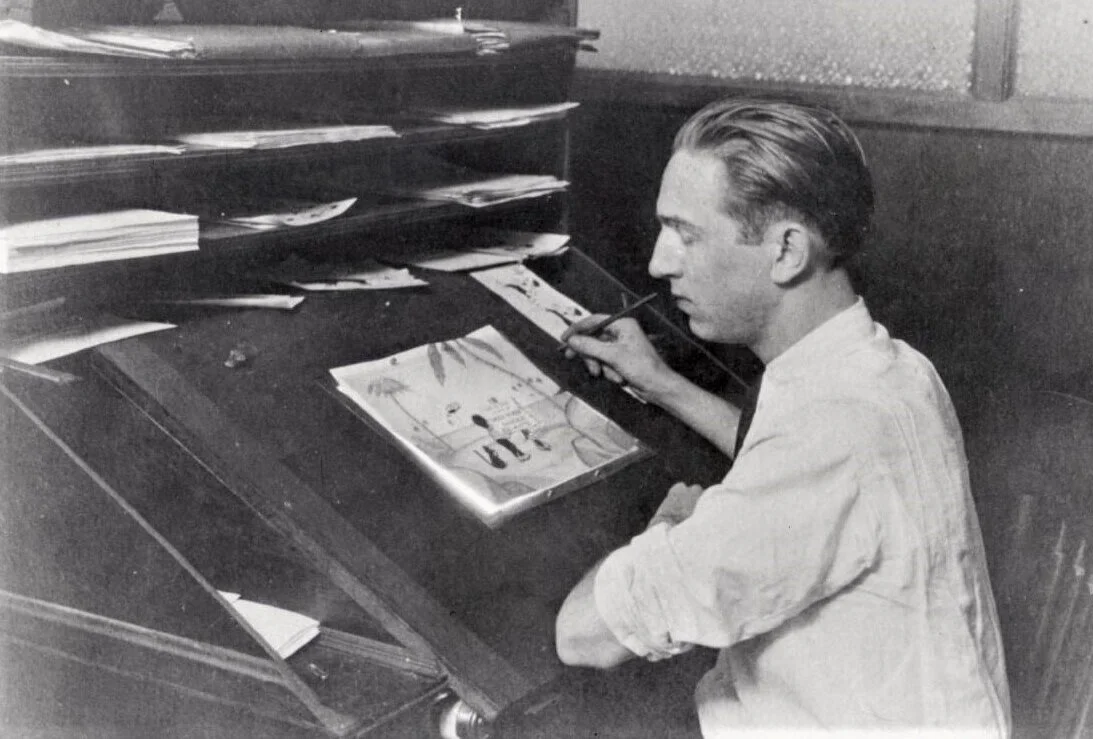
Years after the studio's closure, Disney shared a charming account of how his most celebrated creation came to be conceived. During his solitary late-night work sessions at the Laugh-O-Gram Studio, he observed mice emerging to scavenge for cheese scraps in his wastebasket. Rather than regarding them as pests, he captured several and housed them in wire enclosures upon his desk.
"Among them, I developed a particular affection for one brown house mouse—a rather timorous little creature. Through gentle taps on his nose with my pencil, I trained him to scamper within a black circle I'd drawn on my drafting board. When circumstances compelled me to depart Kansas City for Hollywood, leaving him behind was difficult. I carefully transported him to a pleasant neighborhood backyard and released him to freedom."
In 1928, during a railway journey to New York, Disney presented a drawing to his wife, Lillian Marie Bounds, announcing his intention to name the character "Mortimer Mouse." Mrs. Disney astutely observed that the name sounded excessively pompous and suggested "Mickey Mouse" instead—a name that would become synonymous with animation itself and recognized across the globe.
Cinematic Archives
Experience the pioneering animated shorts that emerged from the Laugh-O-Gram Studio. These historic films, now preserved for posterity, represent the earliest works of Walt Disney and his talented collaborators.
Historic Films Coming Soon
Select a film to play in the theaterComplete Filmography
Newman Laugh-O-Grams
1921
The original commissioned series that launched the studio
PreservedLittle Red Riding Hood
1922
Disney's modernized interpretation of the classic fairy tale
PreservedThe Four Musicians of Bremen
1922
Animated adaptation of the Brothers Grimm tale
PreservedPuss in Boots
1922
The clever feline's tale brought to animated life
PreservedCinderella
1922
Early Disney interpretation of the beloved story
PreservedJack and the Beanstalk
1922
Giant adventure rendered in animation
Rediscovered Missing (Local)Jack the Giant Killer
1922
Companion piece to the Beanstalk tale
RediscoveredGoldie Locks and the Three Bears
1922
Classic nursery tale in animated form
Rediscovered Missing (Local)Tommy Tucker's Tooth
1922
Educational film on dental hygiene
PreservedAlice's Wonderland
1923
Revolutionary live-action and animation hybrid featuring Virginia Davis
PreservedPublic Domain (U.S.): Laugh-O-Gram shorts published in 1921–1922 entered the public domain in the United States prior to 2019; the 1923 releases entered the public domain on January 1, 2019 pursuant to 17 U.S.C. § 304 (as amended by the Copyright Term Extension Act of 1998, Pub. L. 105–298). This site presents these works lawfully for educational and historical purposes.
Preservation & Legacy
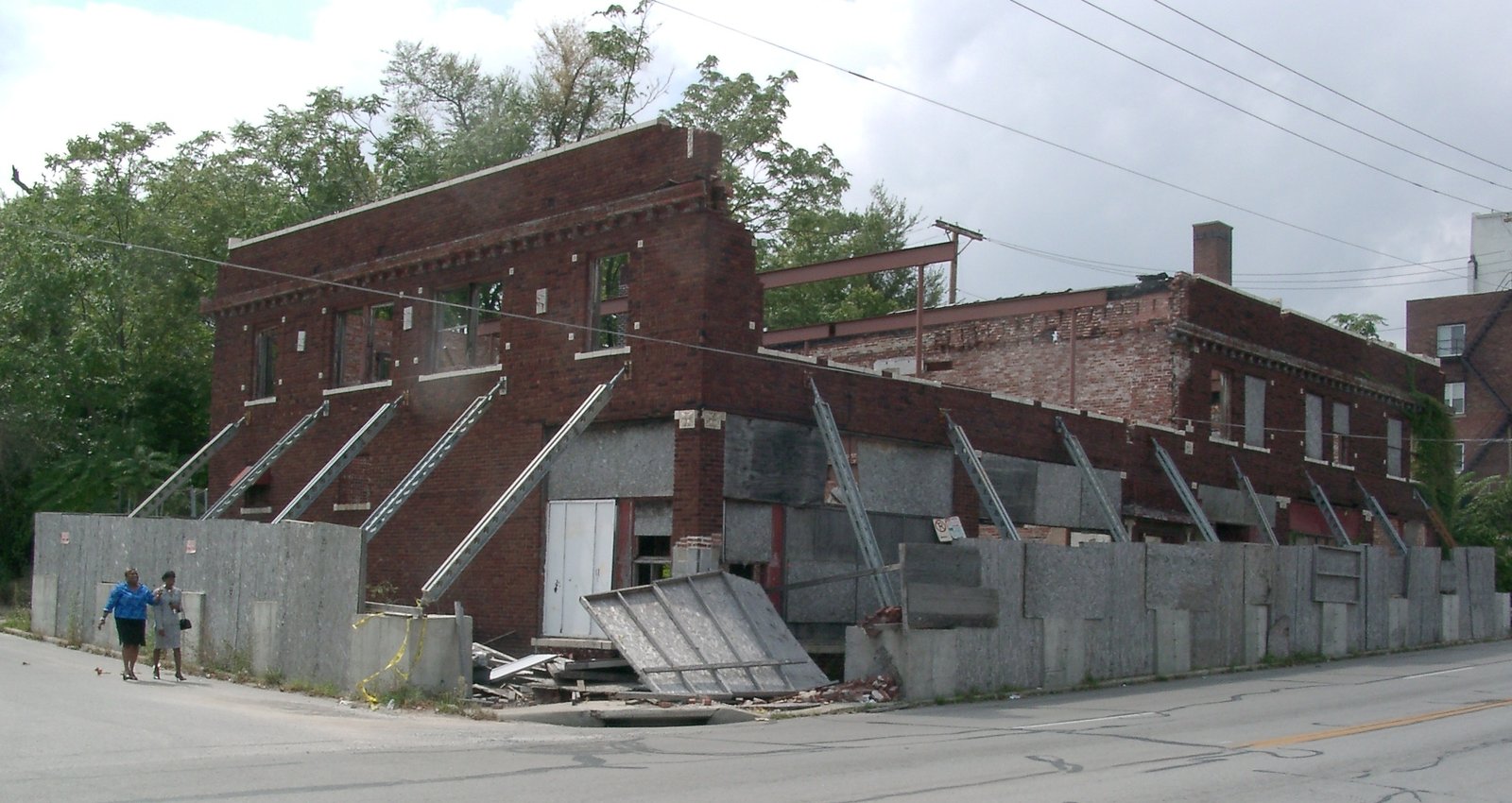
The McConahay Building Today
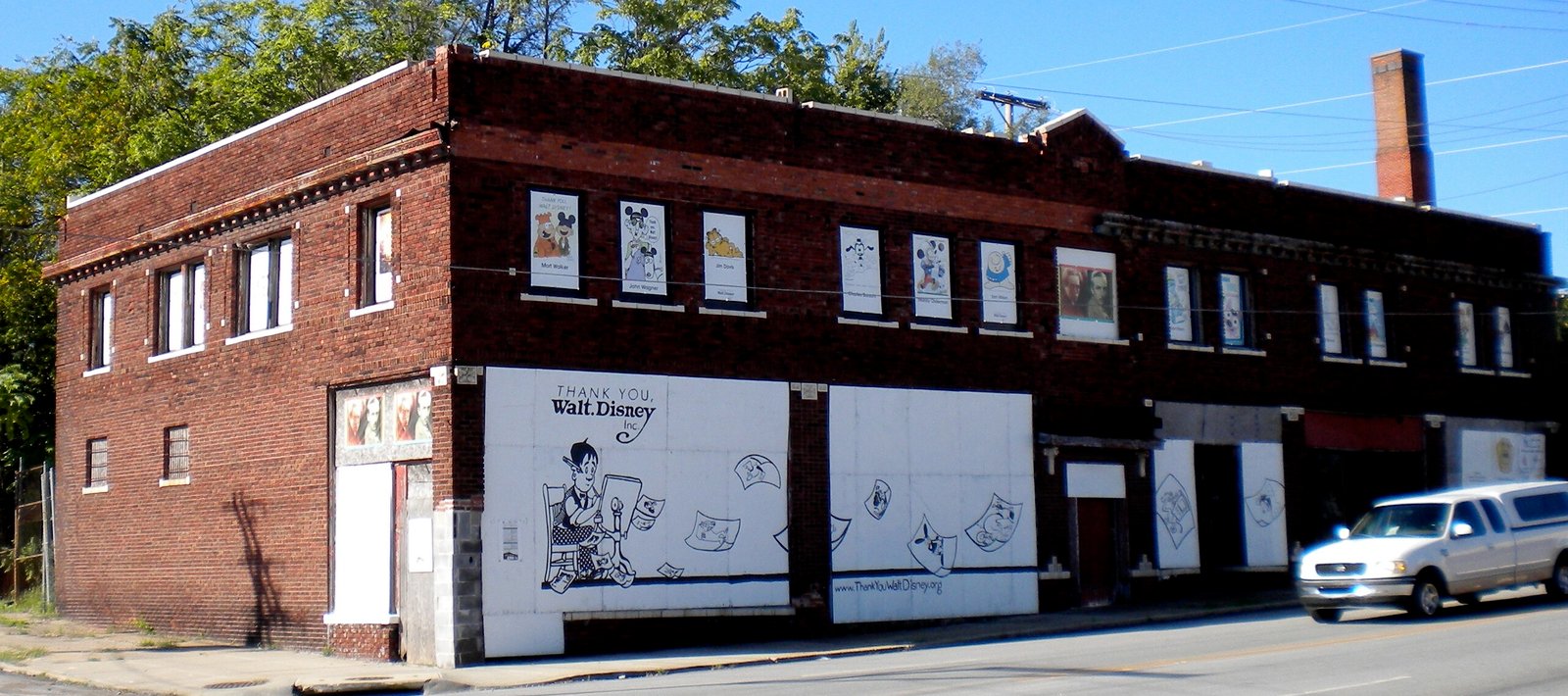
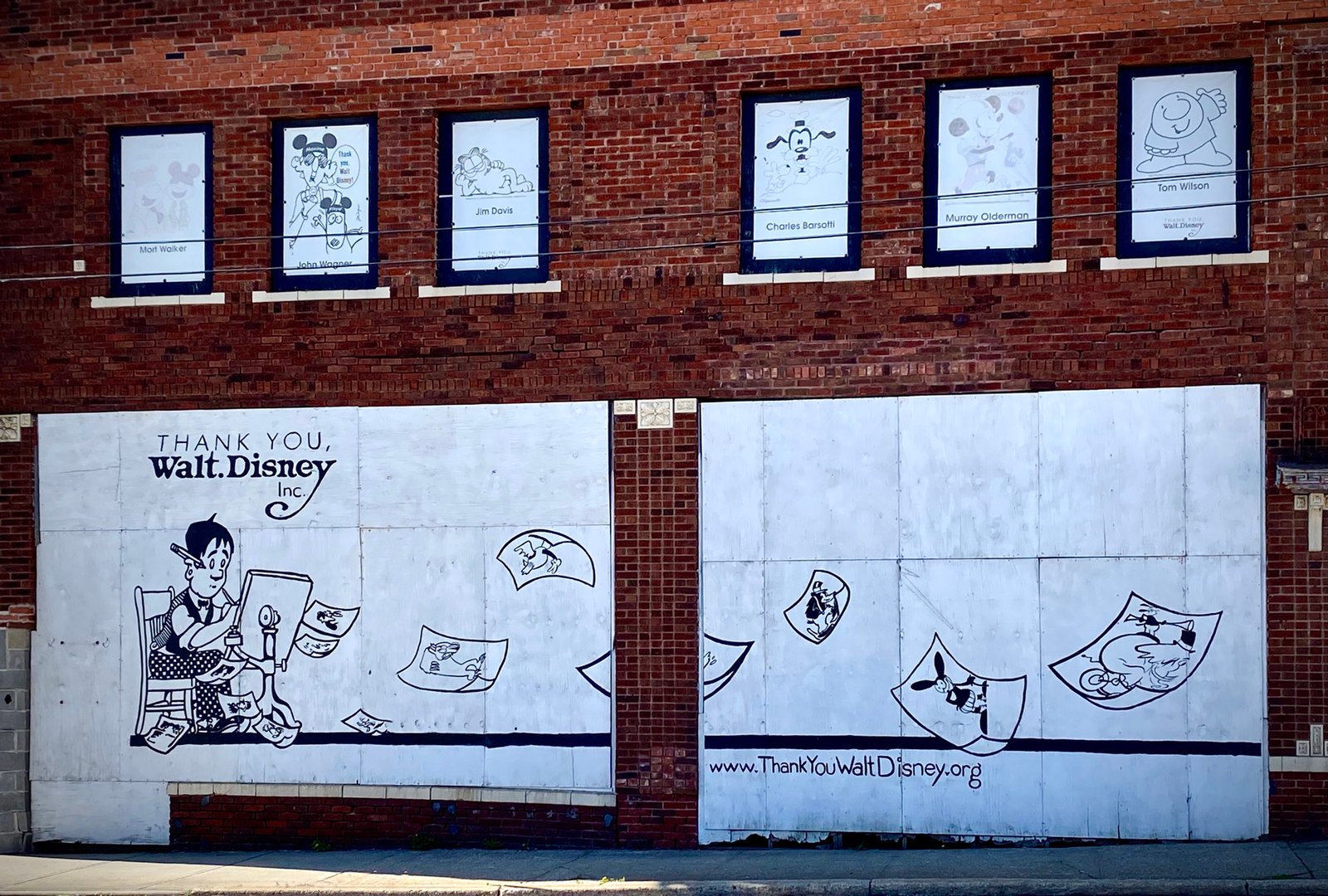
Following decades of neglect, the historic McConahay Building—birthplace of the Laugh-O-Gram Studio—fell into considerable disrepair. Recognizing the structure's cultural and historical significance, a dedicated nonprofit organization named "Thank You, Walt Disney" undertook the monumental task of restoration. The Disney family demonstrated their commitment to this preservation effort by pledging $450,000 in matching funds.
The restoration project envisions transforming the building into a comprehensive memorial and educational facility. Plans include exhibition space for Disney memorabilia, a theater for screening original and restored Laugh-O-Gram productions, and an animation education center offering workshops to inspire future generations of artists.
In a setback to restoration efforts, a black Dodge Charger struck the building in the early morning hours of July 30, 2021, causing substantial exterior damage. The driver fled the scene, though authorities discovered a woman's driver's license and a margarita within the abandoned vehicle. Butch Rigby, who spearheaded the preservation campaign, maintained an optimistic perspective: "Ultimately, it's merely a setback—it could have been far worse."
Cultural Impact
The Laugh-O-Gram Studio's brief yet remarkable existence has been chronicled in two feature-length films: As Dreamers Do and Walt Before Mickey. These productions illuminate the struggles, determination, and creative brilliance that characterized Disney's formative years.
Though the studio's operational lifespan extended merely from 1921 to 1923, its influence reverberates through nearly a century of animated entertainment. The techniques pioneered, lessons learned, and relationships forged within that second-floor Kansas City office laid the groundwork for what would become the most influential animation company in history. The bankruptcy trustee ultimately compelled Pictorial Films to remit payment to the studio's agents while retaining distribution rights to several productions, including The Four Musicians of Bremen, Jack the Giant Killer, the Lafflets series, and Alice's Wonderland.
From those humble beginnings—marked by financial hardship, artistic experimentation, and unwavering determination—emerged an entertainment empire that continues to captivate audiences worldwide. The Laugh-O-Gram Studio stands as a testament to the power of creative vision and perseverance in the face of seemingly insurmountable obstacles.
The Lost Films Rediscovered
For many decades, animation historians believed that three of the Laugh-O-Gram fairy tale cartoons had been irretrievably lost to time: Jack and the Beanstalk, Jack the Giant Killer, and Goldie Locks and the Three Bears (all produced in 1922). The two Jack-themed productions were long thought to be a single film until researcher John Kenworthy uncovered original studio asset documentation confirming their existence as separate entities.
In October 2010, the animation community celebrated a remarkable discovery when historian David Gerstein announced that copies of all three missing cartoons had been located. This extraordinary find completed the known catalog of Laugh-O-Gram fairy tale productions, allowing modern audiences to experience the full scope of Disney's earliest animated works.
Images & Artifacts
Legal Status & Usage
Public Domain Confirmation (United States)
The animated shorts produced by Laugh-O-Gram Studio between 1921 and 1923 are public domain in the United States. Works published in 1921–1922 entered the public domain under the duration rules of the U.S. Copyright Act; works published in 1923 entered the public domain on January 1, 2019 under 17 U.S.C. § 304, as extended by the Copyright Term Extension Act of 1998 (CTEA; Pub. L. 105–298). This timeline aligns with widely recognized “Public Domain Day” milestones.
- Scope: The above status applies within U.S. jurisdiction. Other countries may have different terms.
- Permitted Uses: Viewing, sharing, embedding, and creating new works from the public domain films are lawful in the U.S.
- Caveats: Trademarks, later restorations, added soundtracks, and modern transfers may carry separate rights. This site uses materials believed to be in the public domain or sourced from lawful platforms.
- Attribution: While not legally required for public domain, we provide historical context and credit to preserve provenance.
If you believe any material presented here is not in the public domain or implicates additional rights, please contact the site administrator for review and removal if warranted.